

You’ve just gotten three renovation quotes back. One is four pages long and reads like a legal contract. Another is a single WhatsApp screenshot. The third is a beautifully printed PDF from a design studio. And somehow, none of them is actually quoting the same thing for the same job.
Sound familiar? You’re not alone. A 2023 HomeAdvisor survey found that nearly 62% of homeowners said their renovation ended up costing more than the original quote. Most of the time, that gap wasn’t because the contractor was trying to pull a fast one — it was because the homeowner didn’t fully understand what they were agreeing to.
Learning to read a renovation quote properly is honestly one of the most underrated skills for any homeowner. You don’t need to become a construction expert. You just need to know what to look for, so you don’t end up paying twice for the same piece of work.
Why Renovation Quotes Are So Confusing in the First Place
Let’s be honest — renovation quotes weren’t written with homeowners in mind. They grew out of contractors’ own internal costing sheets, which is why they’re full of industry shorthand, vague line items, and assumptions that everyone in the trade already understands, except you.
A classic example: “Supply and install — full set.” Full set of what, exactly? Tiles? Cabinet hinges? An entire kitchen? Those three words could mean RM800 or RM18,000 depending on what’s actually meant, and nobody’s going to spell it out unless you ask.
It gets even trickier once you start comparing quotes side by side. One might include haulage and disposal fees. Another buries them in a “miscellaneous” line. A third leaves them out completely — which is exactly why it looks cheaper, until you’re billed separately for the skip lorry after the first week of demolition.
Here’s the key thing to remember: a lower quote isn’t automatically cheaper, and a higher one isn’t automatically better. The only way to really compare them is to understand what’s actually included in each one.
Breaking Down a Renovation Quote, Section by Section
Most renovation quotes — whether from a general contractor or a design firm — follow a similar layout. Here’s how to read through each part without your eyes glazing over.
1. Project Scope / Description of Works
This section tells you what’s actually being done. It should be specific. If you see something vague like “renovation works to master bedroom,” that tells you almost nothing. A good scope spells out each task: “Hack existing floor tiles, dispose of debris, waterproof screed, lay new floor tiles (supplied by client).”
The more detail here, the more protected you are if there’s ever a disagreement down the line.

2. Materials Specification
This is where quotes really start to differ. One contractor might just write “vinyl flooring,” while another specifies “3mm SPC vinyl flooring, 10-year wear warranty, anti-termite.” Those are two very different products at very different prices.
Push for brand names, thickness, grade, or model numbers wherever you can — especially for tiles, timber, paint, and bathroom fittings.
3. Labour vs. Supply-and-Install
Some quotes split material costs from labour costs. Others combine them into one line as “supply and install” (S&I). Neither approach is wrong, but knowing which one you’re dealing with matters — especially if you want to buy your own materials, or if prices shift between the quote date and the start date.
Red Flags to Watch Out For
| Red Flag | What It Might Mean |
| “Lump sum” with no breakdown | Hidden markups; hard to dispute later |
| No payment schedule is listed | Cash flow risk; poor project control |
| Materials described as “standard” or “good quality” | The contractor can substitute anything |
| No mention of haulage/disposal | Expect a separate charge mid-project |
| No timeline or completion date | No accountability for delays |
| “Provisional sum” items without explanation | You’re budgeting for a guess |
| Quote valid for only 7 days | A pressure tactic — not a dealbreaker on its own, but worth noting |
| No breakdown of warranty terms | Hard to make a claim after handover |
Save this table. Bring it with you to every site visit!
Common Terms, In Plain English
| Term | What It Actually Means |
| Preliminaries / Prelim | Setup costs — site protection, admin, safety |
| PC Sum (Prime Cost Sum) | Estimated cost for items not yet chosen (e.g. “light fittings TBC”) |
| Provisional Sum | Budget set aside for work that’s still uncertain |
| Variation Order (VO) | Any change made after the contract is signed — always get these in writing |
| Retention Sum | A portion of the payment is held back until defects are fixed |
| BQ / BOQ | Bill of Quantities — a full, detailed list of every material and task |
| S&I | Supply and Install |
| M&E | Mechanical and Electrical works |
| P&P | Profit and preliminaries (sometimes listed as its own line) |
If your quote uses a term that isn’t on this list and the contractor can’t explain it simply — that’s a conversation worth having before you sign anything.
The Hidden Costs Nobody Brings Up First
One of the most expensive lessons homeowners learn is that renovation costs don’t stop at the quote. Here’s what commonly gets left out of the original document:
- Site protection and cleaning — covering furniture, protecting shared areas in condos, daily cleanup. Some contractors include this by default; a lot don’t.
- Permit and submission fees — if you’re doing structural work, rewiring, or major M&E changes, you may need approval from the authorities. This can run anywhere from RM500 to a few thousand ringgit.
- Fixing defects — what happens if the tiles crack three months in? A trustworthy quote will spell out a defects liability period (DLP), usually six to twelve months.
- Material price changes — if your project is scheduled a few months out, material prices might shift by the time work starts. Ask whether the quoted price is locked in or not.
How to Compare Quotes Fairly
Getting three quotes is standard advice, but comparing them with no system is how people end up choosing the wrong one.
The simplest approach: build your own comparison table. Take the most detailed quote you’ve received, list out every work item, and check whether the other quotes have priced the same items — or quietly left them out.
| Work Item | Contractor A | Contractor B | Contractor C |
| Floor hacking & disposal | RM 1,800 | RM 1,200 | Not listed |
| Waterproofing (bathroom) | RM 2,500 | Not listed | RM 2,200 |
| Floor tiles (S&I) | RM 4,500 | RM 3,800 | RM 4,000 |
| Ceiling works | RM 3,200 | RM 3,200 | RM 2,800 |
| Total shown | RM 12,000 | RM 8,200 | RM 9,000 |
| Estimated missing items | RM 0 | RM ~3,500 | RM ~1,800 |
| Realistic total | RM 12,000 | RM ~11,700 | RM ~10,800 |
Suddenly, the “cheapest” quote isn’t actually the cheapest.
Payment Terms: The Schedule Worth Negotiating
A clear payment schedule is probably your biggest financial safety net as a homeowner. Never pay everything upfront. A reasonable breakdown usually looks something like this:
| Milestone | Payment % |
| Contract signing | 10–20% |
| Commencement of works | 20–30% |
| Completion of hacking, masonry, and M&E rough-in | 20% |
| Carpentry / fitting installation | 15–20% |
| Practical completion/handover | 10% |
| Defects liability period end | 5–10% |
If a contractor is asking for 50% or more before any work starts, that’s worth pausing on. It doesn’t automatically mean they’re dishonest, but it’s a fair reason to ask why.
What a Good Quote Actually Looks Like
A well-put-together renovation quote — especially from a proper design studio — should almost read like a story. It tells you what the space looks like now, what it’s going to become, every material involved along the way, who’s responsible for what, when you’re expected to pay, and what happens if something goes wrong.
The gap between a quote that protects you and one that leaves you exposed usually comes down to how much thought went into writing it. This is actually one place where working with a full Japanese interior design in Malaysia, rather than a contractor alone, can genuinely make a difference. Studios that manage the whole project tend to have their documentation dialled in — often because they’ve learned the hard way what needs to be spelt out clearly.
Questions Worth Asking Before You Sign
Don’t leave a quotation meeting without answers to these:
- What exactly is included under “preliminaries”?
- Are material prices locked in, or can they change at delivery?
- What’s your defects liability period, and what does it actually cover?
- How do you handle variation orders — is there a threshold before you notify me?
- Who’s coordinating with the condo management?
- Is haulage and debris disposal included?
- What happens if the project runs past the agreed timeline?
None of these is aggressive questions. They’re just basic due diligence for any deal over RM10,000 — which is nearly every renovation.
A Note on Design Style and Budgeting
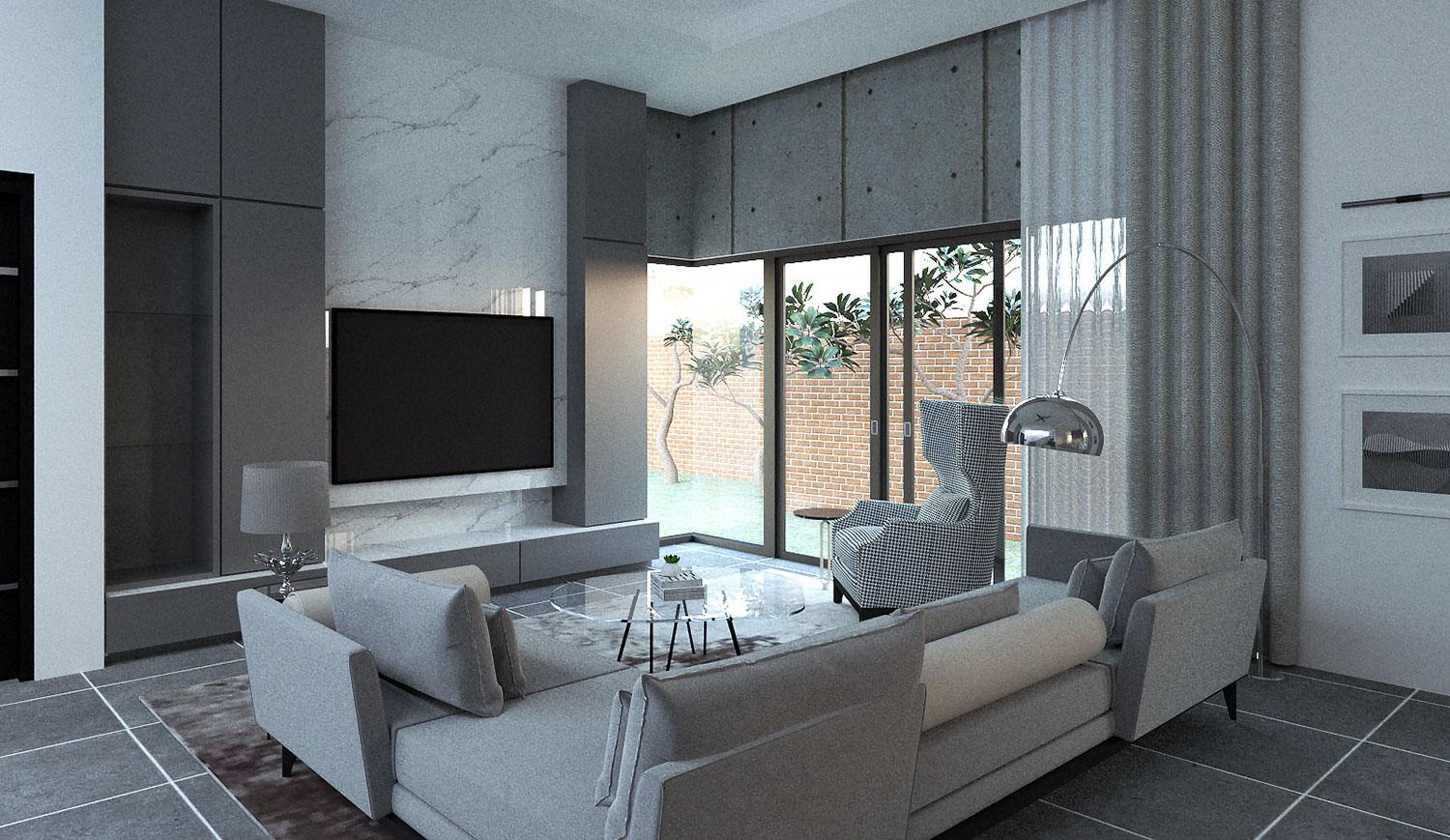
Something that often catches homeowners off guard is how much the style you choose affects the cost — not just the materials, but how complex the work is to execute. A clean, minimalist look is often cheaper to build than a heavily detailed traditional style, even at a similar size. Japanese interior design apartments, which have gotten a lot more popular in Malaysian apartments lately, tend to lean on natural materials, restrained carpentry, and careful spatial planning. It’s not necessarily cheaper overall, but the cost tends to be more predictable, since there’s less room for excess decoration to blow the budget out.
If you’re looking into Japanese-style interiors for your home — or specifically for a condo unit — it’s worth knowing that this style rewards precision. A poorly executed wabi-sabi or shoji-style detail can actually look worse than not attempting it at all, which is exactly why a detailed, itemised quote from a studio that’s done this kind of work before matters so much. Vague line items and a considered, Japanese house interior design modern just don’t go together.
Why Working With a Design Studio Can Help
If all of this feels like a lot, you’re not alone — and you don’t have to figure it out by yourself either. A good interior design studio doesn’t just make your home look nice. They document everything, manage the timeline, coordinate with contractors, and give you a quote you can actually hold them to.
GGE Design Studio is one such firm based in Malaysia, known for detailed, transparent project documentation and a focus on contemporary residential interiors. When you’re comparing studios, the quality of the quotation itself is usually one of the best signs of how well the rest of the project will be managed.
After You’ve Reviewed the Quote: What’s Next
Once you’ve gone through a quote properly, asked your questions, and compared your shortlist, you’re not quite done yet. A few things worth doing before you sign:
- Ask for a revised quote if anything was unclear or missing. A good contractor won’t mind.
- Read the fine print — the terms on the back or last page often cover liability, late payment, and how disputes get resolved, and people skip this part all the time.
- Confirm who’s actually running the job. The person who sold you the project isn’t always the one supervising it on site.
- Get everything in writing. Even WhatsApp chats count as a record, but a signed contract is always the safer bet.
It’s Your Renovation — You Set the Terms
Here’s the mindset shift that helps most: a renovation quote isn’t a take-it-or-leave-it document. It’s the opening position in a working relationship. You’re allowed — and honestly expected — to ask questions, request changes, and push for more clarity.
The homeowners who come out of a renovation with the fewest regrets usually aren’t the ones who paid the least. They’re the ones who actually understood what they signed up for from day one.
A 2022 study by the National Association of the Remodelling Industry found that homeowners working from detailed, itemised contracts reported significantly higher satisfaction scores and far fewer disputes compared to those working off lump-sum or loosely worded agreements.
Take your time. Read the quote properly. Ask the questions.
Don’t Guess — Work With People Who Get It Right
Learning to read a renovation quote is a skill, and like most skills, it gets easier with practice. But you shouldn’t have to become an expert just to renovate your own home.
The right design partner should walk you through every line item, welcome your questions, and put together documentation that protects both sides. At GGE Design Studio, that’s the standard we hold ourselves to — clear pricing, thorough documentation, and interiors built with intention, whether you’re drawn to warm Japanese minimalism, modern Scandinavian lines, or something entirely your own.
If you’re planning a renovation and want a team that takes the paperwork as seriously as the design, reach out to us. Ask us anything — about your quote, your space, your budget, or your style. We’ll give you a straight answer.
Because the best renovation stories don’t start with the first hammer swing. They start with a conversation.