
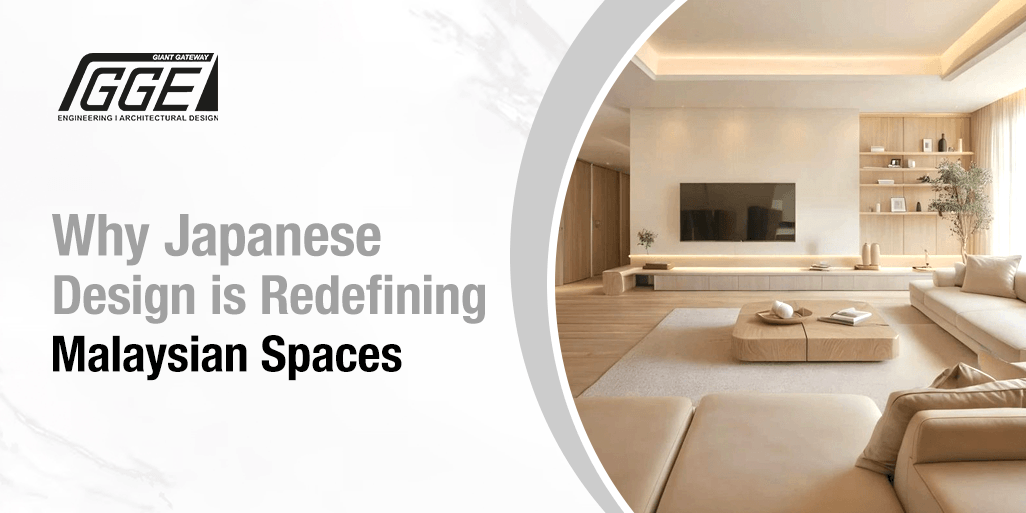
There is a specific kind of stillness that settles over you the moment you walk into a space designed with intention. It’s not just the absence of clutter; it’s the presence of peace. In the bustling heart of Kuala Lumpur or the humid coastal stretches of Penang, this “Zen” philosophy is finding a new, vibrant home. We aren’t just talking about putting a tatami mat on the floor and calling it a day. We are talking about a deep, soulful integration of Japanese aesthetics tailored specifically for the tropical Malaysian context.
The beauty of Japanese design lies in its seasonal soul. In Japan, the transition from Sakura (cherry blossoms) to the fiery hues of Momiji (autumn leaves) dictates everything from textile choices to the wood used in furniture. In Malaysia, where our seasons are defined more by the rhythm of the monsoon and the intensity of the sun, “seasonal availability” takes on a different meaning. It becomes about the play of light at 4:00 PM and the cooling properties of natural ventilation.
The Soul of the Space: Meaning and Modernity
Modern Japanese style—often referred to in the design world as “Japandi” when fused with Scandi elements—revolves around the concept of Wabi-Sabi. This isn’t just a buzzword; it’s the celebration of the weathered, the natural, and the slightly asymmetrical. When we look at Japanese interior design in Malaysia layouts in urban hubs like Mont Kiara or Bangsar, we see a shift away from the “show-home” perfection of the early 2000s toward spaces that feel lived-in and breathable.
Why does this resonate so much now? Perhaps it’s because our lives have become increasingly digital and fragmented. A home that prioritises raw timber, stone, and clay offers a tactile groundedness that a glass-and-chrome high-rise often lacks. It’s about creating a sanctuary that honours its materials.
| Design Element | Traditional Japanese Meaning | Modern Malaysian Application |
| Shoji Screens | Privacy and light diffusion | Slatted timber partitions for airflow |
| Genkan | Transition from outside to inside | Dedicated foyer for shoe storage and sanitisation |
| Engawa | A porch linking the house and the garden | Balcony gardens with tropical greenery |
| Tokonoma | An alcove for art/flowers | Minimalist feature walls with local ceramics |
Adapting the Aesthetic: Commercial and Culinary Spaces
The influence of this minimalist philosophy extends far beyond the bedroom. If you’ve walked into a high-end sushi bar in Bukit Bintang or a minimalist cafe in Ipoh lately, you’ve felt the impact of restaurant interior design in Malaysia moving toward “Shibui”—an aesthetic of simple, subtle, and unobtrusive beauty.
In a restaurant setting, Japanese design isn’t just about looks; it’s about the choreography of service. The “Omakase” style of dining, for instance, requires a kitchen-to-table flow that is seamless and intimate. Designers are now using local Malaysian hardwoods like Merbau or Teak but treating them with Japanese woodworking techniques to achieve that signature light, matte finish that feels sophisticated yet organic.
When we consider commercial interior design in Malaysia, we see offices and retail outlets ditching the cold, fluorescent “cubicle” look for open-plan layouts that use light-toned wood and indoor “Zen gardens” to reduce employee stress. Statistics show that biophilic design (integrating nature into interiors) can increase productivity by 15% and significantly improve well-being (Source: World Green Building Council).
For those looking to ground their commercial projects in structural excellence, partnering with experts like GGE Design Studio ensures that the bones of the building are as sturdy as the interior is beautiful.
Living Small, Thinking Big: The Apartment Revolution
The challenge of the Japanese interior design apartment is often the square footage. However, Japanese culture has mastered the art of “Small Space Living” for centuries. In a 700-square-foot condo in the heart of KL, every inch must earn its keep. This is where “hidden” functionality comes in—think floor-to-ceiling cabinetry that blends into the wall, or elevated platforms that provide hidden storage underneath.
One unique insight into this style is the “Ma” or the “Space Between.” In Western design, we often feel the urge to fill every corner. In Japanese design, the empty corner is just as important as the furniture. It allows the eyes to rest and the mind to wander. In a humid climate like ours, this physical space also translates to better air circulation, keeping the home naturally cooler without relying solely on air conditioning.
Materiality and Sustainability
Sustainable design isn’t just a trend in Malaysia; it’s a necessity. Japanese design inherently favours natural materials that age gracefully. Instead of synthetic laminates that peel and crack, the use of solid wood, hemp, and linen ensures that the interior looks better five years down the line than it did on day one.
Interestingly, a report by the Global Wellness Institute highlights that “Wellness Real Estate” is one of the fastest-growing sectors, with consumers willing to pay a premium for homes that support mental and physical health. The Japanese focus on natural light and “negative space” fits perfectly into this global shift toward wellness-centric living.
Designing a space that stands the test of time requires more than just a keen eye for decor; it requires technical precision. This is why many top-tier firms rely on the structural integrity provided by GGE Design Studio to bring complex, minimalist visions to life safely and efficiently.
Modern Style Meets Local Craft
While we look to Japan for inspiration, the most successful Malaysian interiors are those that incorporate local craftsmanship. Think of a Japanese-style low-slung sofa upholstered in hand-woven Malaysian textiles, or a minimalist dining table paired with locally fired ceramic tableware. This “Global-Local” fusion is the hallmark of a truly modern, sophisticated style.
It’s about the story you want your home to tell. Is it a story of hurried consumption, or a story of slow, intentional living? By embracing the seasonal availability of materials and the unique meanings behind design choices, we create spaces that aren’t just “decorated”—they are felt.
Frequently Asked Questions (FAQ)
- Is Japanese interior design suitable for the hot and humid Malaysian climate?
Absolutely. In fact, traditional Japanese architecture shares many similarities with traditional Malay houses, such as the emphasis on raised floors and large openings for cross-ventilation. Modern Japanese design promotes decluttering, which improves airflow and makes a space feel much cooler.
- How can I achieve a Japanese look in a small Malaysian apartment?
Focus on multi-functional furniture and light wood tones like ash or light oak. Use sliding doors (or Shoji-inspired screens) to save space and allow light to pass through different rooms. Prioritise quality over quantity by choosing a few high-quality “hero” pieces.
- Is Japanese design more expensive than other styles?
While the “minimalist” look may seem simple, it often requires high-quality natural materials and expert craftsmanship. However, because it focuses on timelessness and durability, it is often more cost-effective in the long run than “fast-furniture” styles that need frequent replacing.
- Can I mix Japanese design with my existing furniture?
Yes. The “Japandi” trend is proof that Japanese elements pair beautifully with modern, rustic, or even industrial pieces. The key is to maintain a cohesive colour palette—usually neutrals like beige, cream, grey, and charcoal.

Crafting Your Sanctuary
The journey toward a perfect interior begins with a balance of aesthetic vision and engineering reality. Whether you are looking to transform a high-rise residence or a sprawling commercial hub, the principles of Japanese design offer a roadmap to a more peaceful, productive, and beautiful life. It is an investment in your daily experience.
At GGE Design Studio, we believe that every space has a story waiting to be told. We specialise in bringing these sophisticated, soulful designs to life across Malaysia, ensuring that your vision is supported by world-class engineering and a deep understanding of modern lifestyle needs. Your dream space shouldn’t just be a concept; it should be your reality.
Ready to redefine your environment? Visit GGE Design Studio to explore our portfolio and see how we blend form and function into seamless works of art.
If you’re ready to take the first step toward a home or office that truly breathes, we invite you to reach out to our team of experts. Let’s build something extraordinary together. Connect with us at GGE Design Studio today to start your transformation.